



For decades, modern architecture largely separated humanity from the natural world. We built concrete fortresses, sealed ourselves behind tinted glass, and relied entirely on artificial systems to regulate our environment. However, a profound architectural revolution has taken hold.
Biophilic design 2026 has officially transitioned from a niche aesthetic trend into a core, health-driven design philosophy.
We have moved far beyond simply placing a potted plant in the corner of a room. Today’s architects and interior designers are focused on creating immersive indoor ecosystems within our buildings. This approach recognizes that human beings possess an innate biological affinity for the natural world, and depriving ourselves of that connection carries significant consequences for our health, productivity, and overall well-being. By seamlessly blending the outdoors with our indoor spaces, this evolution offers a blueprint for the future of sustainable, human-centric living.
Core Elements of Biophilic Design 2026 in Modern Architecture
The biophilic buildings of today rely on a sophisticated blend of ancient natural principles and cutting-edge technology. The integration of these elements transforms static buildings into living, breathing entities.
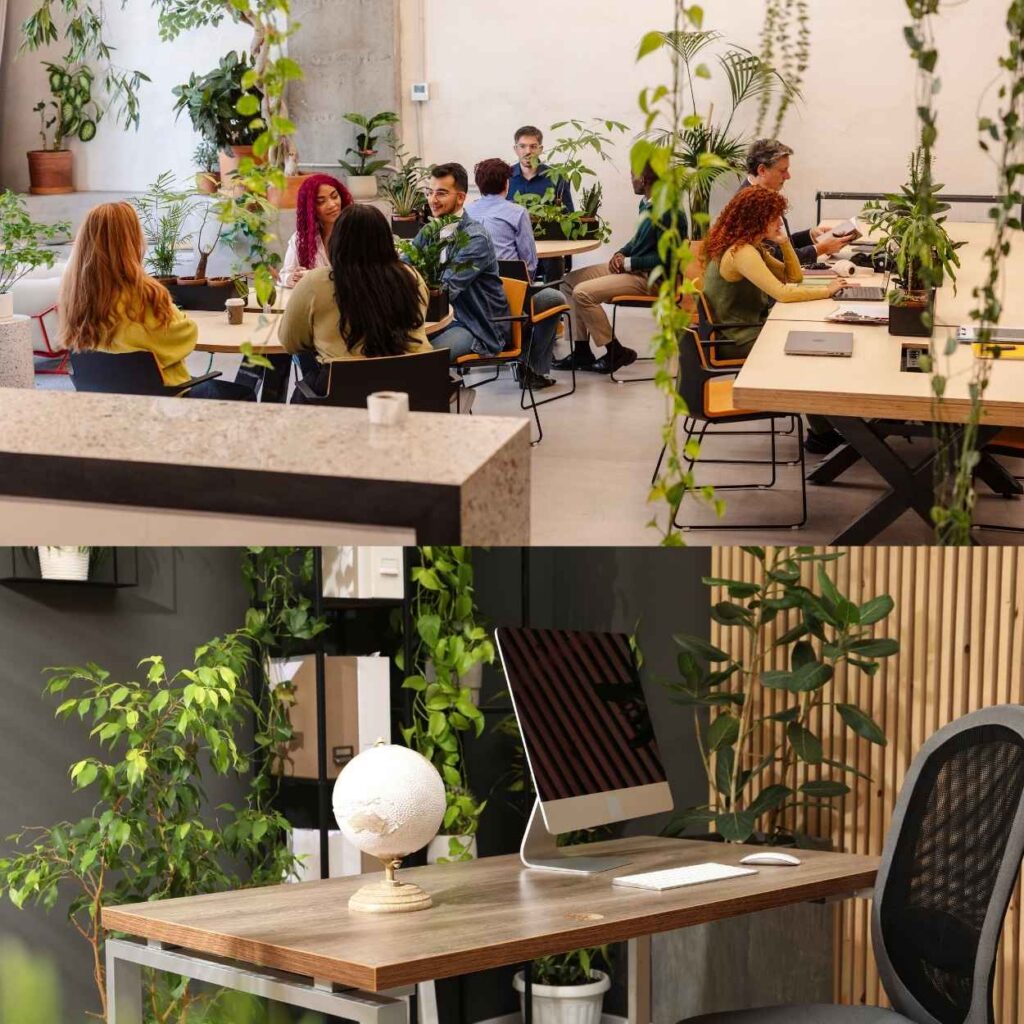
Vertical Gardens & IoT-Driven Indoor Ecosystems
The concept of the “living wall” has undergone a massive technological upgrade. Modern vertical forests are no longer passive decorative elements; they are active environmental regulators. Today’s installations utilize Internet of Things (IoT)-driven hydroponic systems to create true indoor ecosystems. These smart networks use sensors to monitor soil moisture, ambient temperature, and plant health, automatically triggering irrigation and misting systems exactly when needed. This not only ensures the survival of the plants but significantly improves indoor air quality by filtering out pollutants and naturally cooling the surrounding spaces through transpiration.
The Circadian Lighting Benefits for Sleep and Focus
One of the most impactful advancements in modern interiors is the widespread adoption of smart lighting. Human biology is deeply tied to the rising and setting of the sun, yet traditional office and home lighting blasts occupants with static, unnatural brightness all day. The circadian lighting benefits are now impossible to ignore. Modern systems are programmed to mimic the sun’s natural progression. They provide cool, blue-toned light in the morning to stimulate alertness and gradually transition to warm, amber tones in the evening to promote melatonin production. This sunrise-to-sunset simulation regulates sleep-wake cycles, reduces eye strain, and keeps occupants naturally energized throughout the day.
Grounding Spaces with Honest Textures and Natural Materials in Architecture
Visually mimicking nature is only half the equation; the tactile experience is equally important. There is a massive shift toward the use of honest textures. Designers are moving away from hyper-polished, synthetic surfaces in favor of matte, highly tactile materials. Reclaimed timber with visible grain, raw and unpolished stone, and breathable lime plaster are becoming the materials of choice. The use of these natural materials in architecture provides a grounding sensory experience, subtly reminding the brain of the rugged, imperfect, and comforting textures found in the natural world.
The Measurable ROI on Human Well-being
The adoption of biophilic design 2026 is not driven solely by aesthetics; it is backed by a mountain of empirical data. Research clearly indicates that these environments generate a tangible, measurable impact on human health and performance.
How Biophilic Design 2026 Lowers Stress and Boosts Productivity
Our bodies react to built environments. Sterile, windowless rooms trigger low-grade anxiety. Conversely, exposure to natural views, indoor greenery, and water features has been clinically proven to lower heart rates and reduce cortisol levels. Studies show that working or living in a highly biophilic space can reduce stress-related tension by up to 37%.
Furthermore, corporate adoption has skyrocketed due to the impact on the bottom line. Offices that incorporate ample natural light, plant life, and natural materials in architecture see a 15% increase in productivity. Employees in these spaces report higher engagement, lower absenteeism, and a greater overall sense of job satisfaction. The human brain is hardwired to process the geometric shapes found in nature (fractals), which has been shown to improve concentration, memory retention, and creative problem-solving.
Iconic Global Masterpieces of Natural Materials in Architecture
To understand the scale of this movement, we can look at several pioneering structures around the globe that have successfully merged massive architecture with thriving indoor ecosystems.
Bosco Verticale (Milan, Italy)
Translating to “Vertical Forest,” this pair of residential towers in Milan is a masterclass in urban forestry. The towers are cloaked in over 900 trees and 20,000 diverse plants. This is not just an aesthetic façade; the vegetation acts as a vertical urban ecosystem that filters city dust, absorbs carbon dioxide, produces oxygen, and creates a microclimate that shields residents from the harsh Mediterranean sun.
The Spheres (Seattle, USA)
Serving as a workspace for Amazon employees, The Spheres consist of three massive glass-domed biodomes right in the heart of downtown Seattle. Inside, the environment mimics a cloud forest, housing tens of thousands of plants from over 50 countries. It provides an immersive, jungle-like natural workspace that encourages collaborative thinking away from traditional desks and cubicles.
Jewel Changi Airport (Singapore)
Singapore has long been a leader in biophilic urbanism. Jewel Changi Airport transforms a highly stressful environment (an international transit hub) into an oasis of calm. The space features the Rain Vortex, the world’s tallest indoor waterfall, surrounded by a massive indoor garden. It proves that even the most transient, commercial spaces can be profoundly humanized through nature.
Frequently Asked Questions (FAQs)
1.What exactly is the focus of biophilic design 2026?
The focus of biophilic design 2026 is the holistic integration of nature into the built environment. It goes far beyond simply decorating with houseplants. It is an architectural framework that integrates natural lighting, ventilation, landscape features, organic shapes, and sensory elements directly into our daily spaces. The goal is to create spaces that function like natural habitats, fulfilling our biological need to be close to the natural world, thereby improving our physical and mental well-being in spaces where we spend the majority of our time.
2.How do indoor ecosystems help reduce energy costs and promote sustainability?
Indoor ecosystems naturally align with sustainable building practices by utilizing nature to do the work of artificial machines. Green roofs and living walls act as massive natural insulators; they keep buildings warmer in the winter and cooler in the summer, which can reduce reliance on HVAC systems by up to 10%. Furthermore, IoT-driven hydroponic walls contribute to sustainability by recycling water and naturally purifying the air, reducing the load on energy-heavy artificial air filtration systems.
3.What are the main circadian lighting benefits for office workers?
The primary circadian lighting benefits revolve around aligning human biology with the natural day-night cycle. In an office setting, static, bright fluorescent lights can cause eye strain, headaches, and a disruption of natural melatonin production, leading to poor sleep. Circadian systems change color temperature and intensity throughout the day. By exposing workers to cooler, blue-enriched light during the morning and midday, alertness and cognitive function are boosted. As the light shifts to warmer tones in the afternoon, it prevents late-day visual fatigue and prepares the body for restful sleep at night.
4.What are “honest textures” and why are they important right now?
The term honest textures refers to materials that are presented in their natural, unaltered state, without synthetic coatings, heavy glosses, or artificial coloring. In a highly digitized, screen-heavy world, humans crave tactile, physical grounding. These textures provide a rich, sensory experience that engages our sense of touch. Because they are imperfect and irregular, they signal to our brains that we are in a natural, safe environment, helping to reduce anxiety and promote a sense of calm.
5.How can I easily incorporate natural materials in architecture into a small home?
You don’t need a massive budget to embrace natural materials in architecture at home. Start by swapping out synthetic furniture for pieces made from raw wood or bamboo. Introduce honest textures by using linen fabrics, terracotta pots, or natural stone coasters. Maximize your natural light by keeping windows unobstructed, and consider upgrading to smart bulbs to reap circadian lighting benefits. Finally, create a micro-version of indoor ecosystems by adding a variety of indoor plants; if space is tight, a small, self-watering vertical wall planter works perfectly.
Explore Estate Innovation for expert insights, in-depth case studies, and step-by-step guidance on building the indoor ecosystems of tomorrow.

