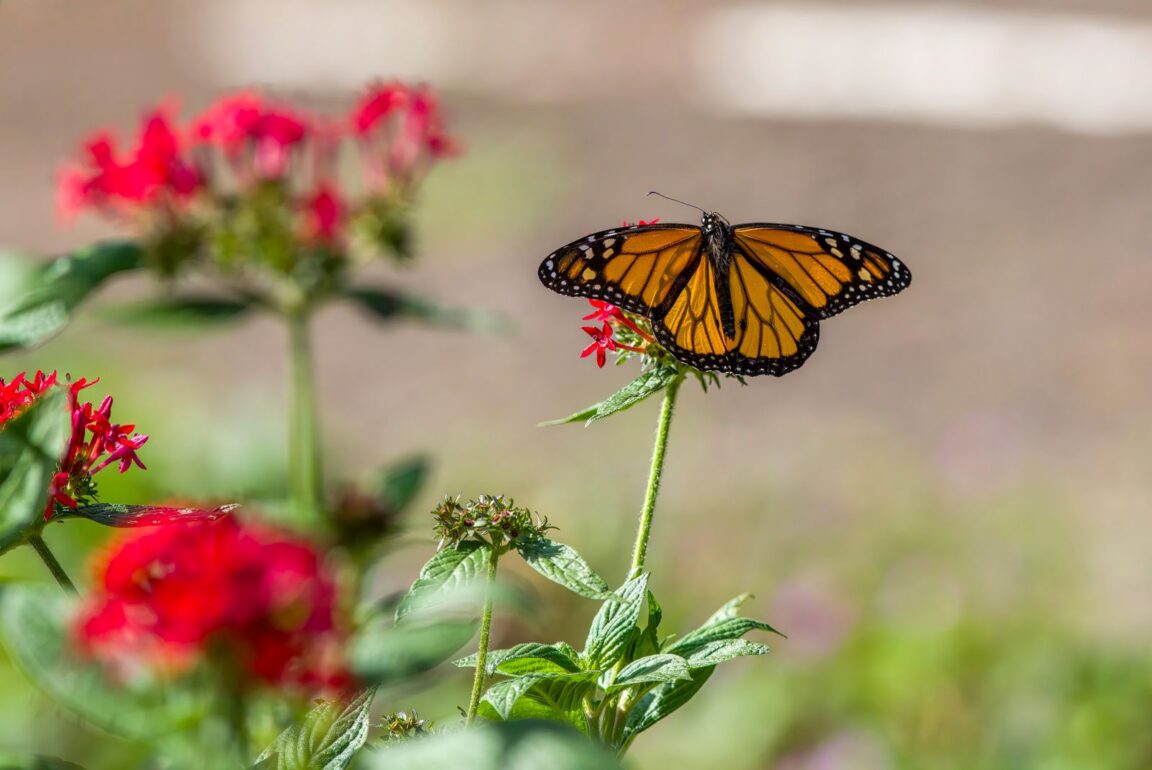
Butterfly garden construction looks like pure magic from the visitor side. You step through a glass door, warm air wraps around you, and a monarch lands near your shoulder. Behind that single moment sits a huge amount of planning, engineering and patience.
A $12 million butterfly garden planned in Sioux Falls, South Dakota, and expected to open in 2027, is a great real world example. In this guide, you will see how a butterfly garden is built from the ground up, what each stage involves, and what the rest of us can borrow for our own landscapes.
The Sioux Falls project at a glance
Before we get into the steps, here is what has been reported about the Sioux Falls project. Local coverage from Sioux Falls Simplified and Sioux Falls Business is a good place to follow updates.
| Detail | What has been reported |
|---|---|
| Project cost | About $12 million |
| Planned opening | 2027 |
| Location | Sioux Falls, South Dakota |
| Build time | Roughly one year of construction |
| Extra uses | Coverage notes that weddings and events can be booked |
Treat these as a snapshot. Costs and dates on big public projects can shift, so check the latest local news before you plan a visit.
Step 1: Design the habitat before the building
Every butterfly garden starts with a simple question. What do the butterflies need to live well? The answer shapes everything else, from the size of the room to the shape of the roof.
Designers usually begin with the plants, because butterflies need two kinds. Nectar plants feed the adults. Host plants feed the caterpillars. A garden with only one kind will not hold a healthy population for long.
Then comes the path. Visitors need a loop that is wide enough for strollers and wheelchairs, with benches and quiet corners. The best layouts guide people gently so nobody has to step off the trail to see a butterfly.
Step 2: Build a glass shell that holds heat
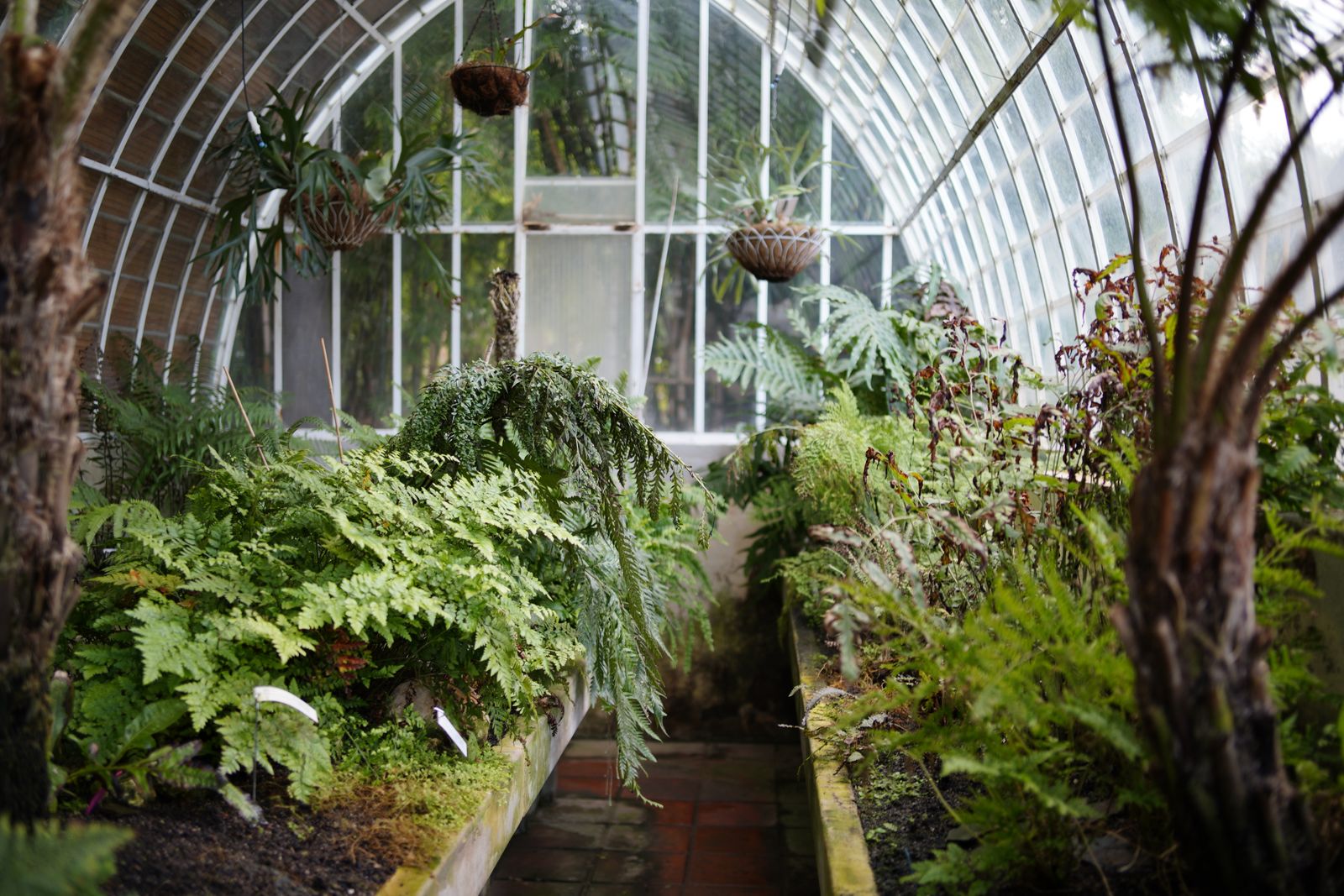
The building itself is closer to a high end greenhouse than a normal exhibit hall. Specialists such as Solar Innovations build butterfly enclosures with glass roofs and walls that let in plenty of daylight while keeping warmth inside.
Light matters more than most people expect. Butterflies are cold blooded, so they use sunshine to warm their wings and get moving. Too little light and the room feels sleepy. Too much direct heat and it becomes a problem for visitors.
The entrance is just as important. Most butterfly houses use a double door system, a small airlock where one door closes before the next opens. It keeps butterflies from escaping and keeps outside air from throwing off the climate. The American Museum of Natural History has shared how its own conservatory space was prepared, and the idea is much the same.
Step 3: Engineer the climate
This is the part guests never see, and it is where much of the budget goes. A butterfly garden is a living machine. Heating, cooling, misting and air movement all have to work together every day of the year, even through a South Dakota winter.
Here are the kinds of conditions butterfly houses commonly aim for. Exact numbers vary by species and by project.
| Condition | Typical target |
|---|---|
| Air temperature | About 80 to 85 degrees Fahrenheit |
| Humidity | About 60 to 80 percent |
| Light | Bright, with filtered shade in places |
| Airflow | Gentle, with no strong drafts |
Humidity is a tricky one. Systems like the one described by Condair at a Milwaukee butterfly vivarium add fine moisture to the air without soaking the plants or the visitors. Sensors check the room all day and adjust the equipment automatically.
Glass design plays a role too. A feature on a double glass wall that protects butterflies shows how two layers of glazing can cut heat loss and reduce condensation, which saves energy over time.
Step 4: Plant the garden
Once the shell is closed in and the climate is stable, the planting begins. Crews bring in mature tropical plants, soil, rocks and water features. Many of these plants are grown for months in advance so the garden looks full on opening day.
Good planting design works in layers. Tall trees and palms create shade. Mid height shrubs give nectar. Low plants cover the ground and hold moisture. Ponds and small streams add humidity and give the room a calm sound.
Plants are also tested before the butterflies arrive. Any pests or pesticide residue could harm the insects, so growers and staff check them carefully and avoid sprays that linger.
Step 5: Bring in the butterflies
Butterflies are not usually caught in the wild for these gardens. Most arrive as pupae, the chrysalis stage, shipped from licensed butterfly farms around the world. Staff unpack them, hang them in an emergence area, and watch for new wings to open.
Fresh butterflies need food right away. Feeding stations with fruit and nectar blends are set up across the garden. Staff also track which species are present, how long they live and how they use the space, then adjust the plants and feeders to match.
This ongoing care is part of the real cost of the project. A butterfly garden is never finished the way a normal building is. It needs a team every single day.
How long does butterfly garden construction take?
Timelines vary with size and complexity. The Sioux Falls project has been described as taking roughly a year to build, which is quick for a project of this scale. Larger botanical garden expansions can take longer. The Lewis Ginter Botanical Garden in Richmond, Virginia, finished a $31 million expansion in 2026 after about two years of work.

A rough order of events looks like this:
- Design and approvals, which can take months before ground is broken
- Site work and foundations
- Glass structure and roof
- Climate and water systems
- Planting and testing, often for several weeks
- Butterfly release and a soft opening
Skipping the testing stage is a common mistake. Teams usually run the climate system for a while before any animals move in, just to be sure it holds steady.
What builders and homeowners can learn
You do not need a $12 million budget to use these ideas. Even a small backyard can borrow the same principles.
- Plant for both stages of life. Mix nectar flowers with host plants such as milkweed for monarchs.
- Give butterflies shelter from wind. A fence, hedge or wall makes a big difference.
- Add shallow water. A saucer with wet sand and a few stones works well.
- Think about sun. Most butterflies prefer warm, sunny spots with some shade nearby.
If you are exploring outdoor design more broadly, our guides on green roofs and sky gardens and landscaping tasks to finish before you list your house are good next reads. For a look at how a landmark building comes together, see how the Museum of the Future was built.
Frequently asked questions
How is a butterfly garden built?
Butterfly garden construction follows five main stages. Designers plan the habitat, builders put up a glass structure, engineers install heating and humidity systems, crews plant the garden, and finally butterflies arrive as pupae from licensed farms.
How much does a butterfly garden cost to build?
It depends on size. A small backyard butterfly garden can cost a few hundred dollars in plants and supplies. A large indoor conservatory is far more expensive. The Sioux Falls project has been reported at about $12 million.
How long does it take to build a butterfly house?
Many projects take between one and two years from first construction to opening, plus extra time for design and approvals. The Sioux Falls garden has been described as about a year of construction.
What temperature and humidity do butterflies need indoors?
Most tropical butterfly houses aim for around 80 to 85 degrees Fahrenheit and humidity of about 60 to 80 percent. The right range depends on the species in the garden.
Where do the butterflies come from?
Most come as pupae from licensed butterfly farms. Staff hang them in a safe area, and the adults emerge a few days later, ready to fly into the garden.
Final thoughts on butterfly garden construction
A butterfly garden may feel effortless to walk through, but every petal, pane of glass and puff of mist is planned. Butterfly garden construction blends architecture, horticulture and daily animal care into one living space.
Whether you are following the Sioux Falls project or planning a few pots on a balcony, the lesson is the same. Start with what the butterflies need, build everything else around it, and give it time to grow.