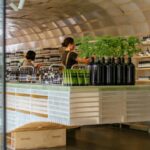
A roadside capsule shop is a small, eye catching store built to catch drivers and walkers where the traffic already is. Many are made from shipping containers, because a container gives you a strong, stackable, movable shell at a relatively low cost.
This guide shows how roadside capsule shops work, how to build one step by step and 10 ideas to inspire your own.
What Is a Roadside Capsule Shop?
It is a compact retail unit, often temporary or relocatable, placed near a road, market, car park or event. Like a capsule collection in fashion, it focuses on a small, curated range and a strong look.
Industry guides list roadside retail, events, festivals and drive up service among the best uses for modified shipping containers.
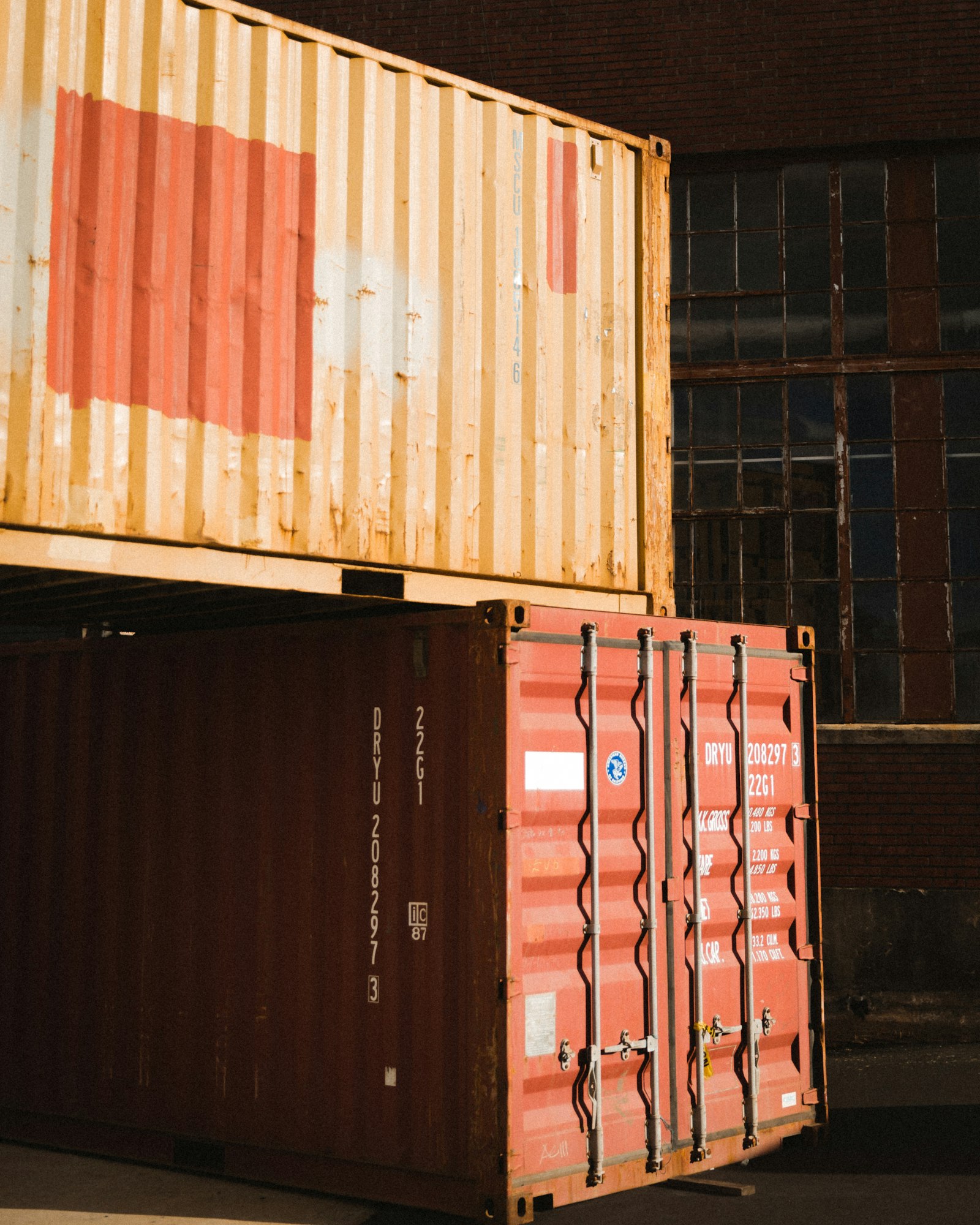
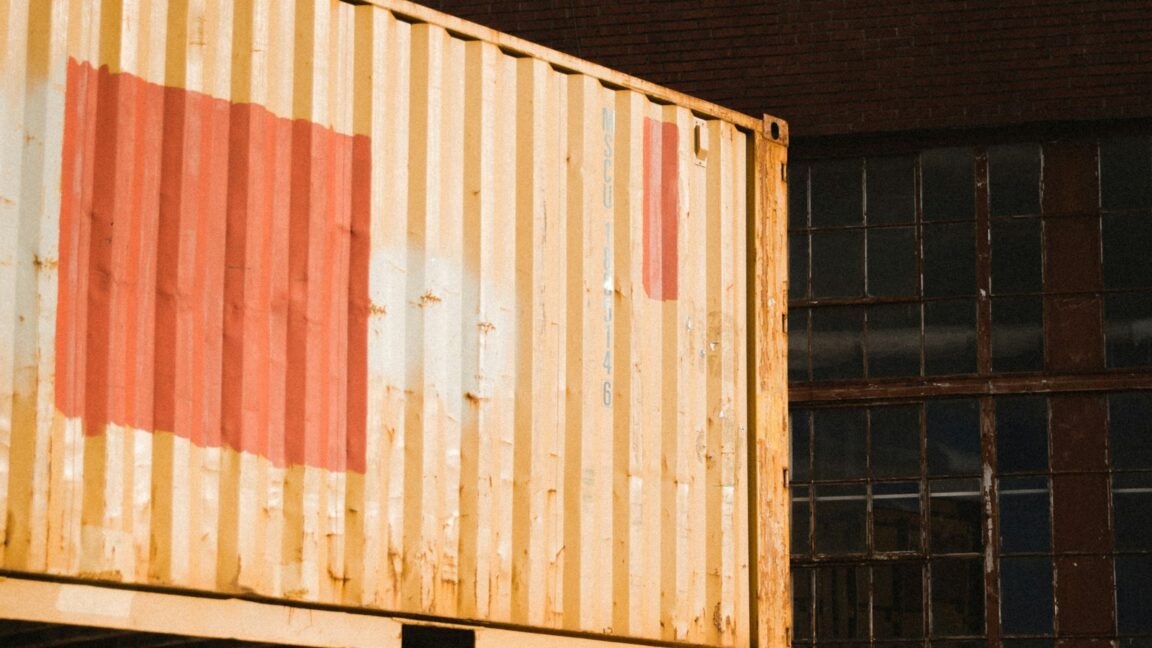
Why Shipping Containers Work for Roadside Shops
- Strong and weatherproof shell. Steel containers are built to be stacked and moved.
- Quick to set up. Vendors describe container stores as low cost and quick to install compared with building a conventional shop.
- Easy to customise. You can add doors, windows, serving hatches and awnings.
- Portable. A container shop can move if the location does not work.
How to Build a Roadside Capsule Shop, Step by Step
1. Choose your concept and range
Decide what you will sell and keep it focused. A tight range is easier to display and easier to understand from a passing car.
2. Pick the right site
Look for visibility, safe parking, safe entry and exit, and steady passing traffic. Check who owns the land and whether you need permission.
3. Check zoning, permits and insurance
Rules for temporary structures, roadside trading, signage and food sales differ widely. Talk to your local planning and licensing office early. Putting a unit on private property can reduce some site fees, according to one vendor guide, but you still need to follow local rules.
4. Choose the container size and type
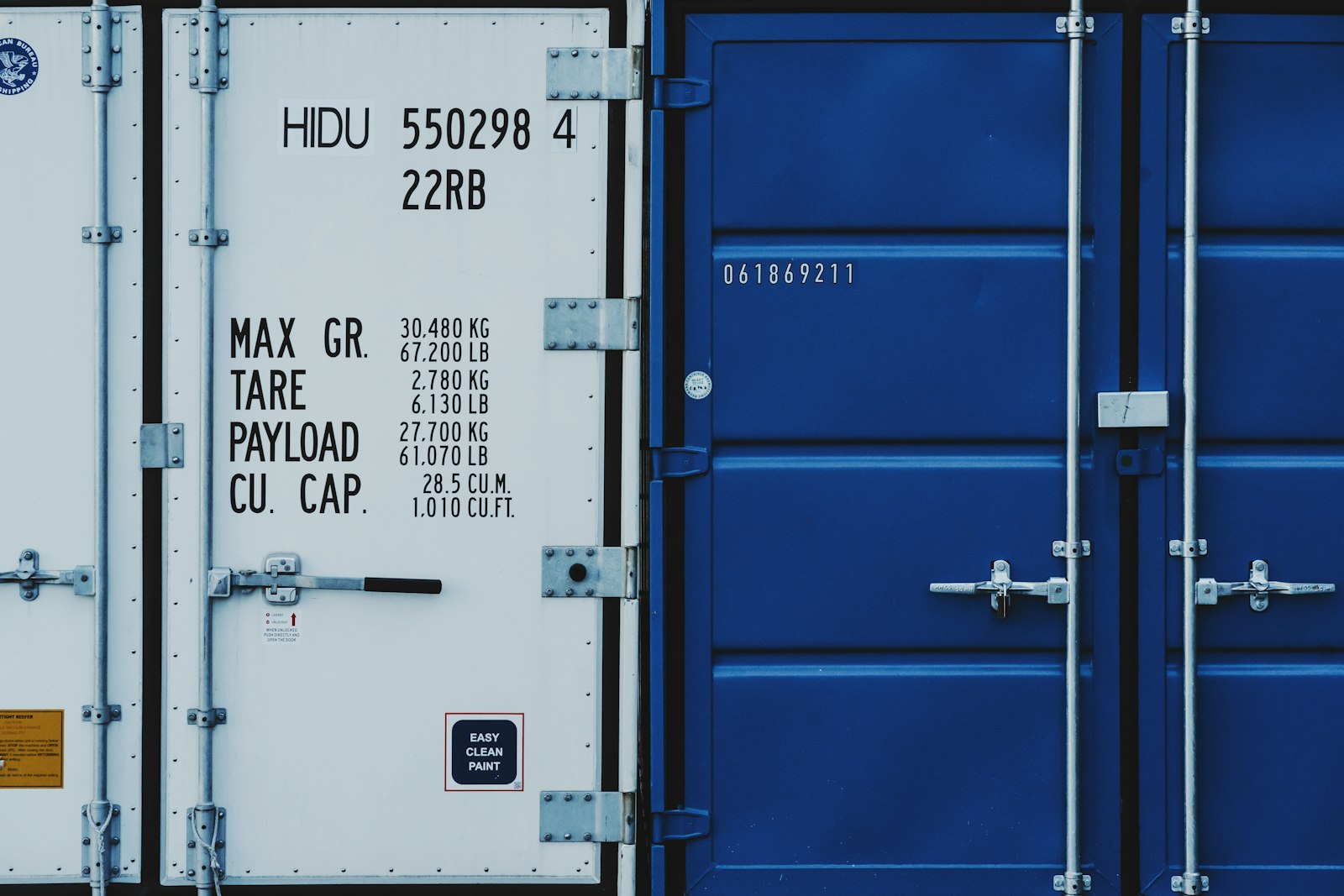
A 20 foot unit is compact and easier to place. A 40 foot unit gives more room for browsing. A side door container with long side access suits drive up service and roadside sales.
5. Plan the modifications
You will usually need cut openings for doors, windows or a serving hatch, plus framing to keep the structure strong. Add insulation, flooring, lighting and ventilation, and have all electrical work done by a licensed professional.
Steel heats up in summer, so roof treatment matters. See our guide to cool roof paint for ideas on keeping a metal roof from overheating.
6. Design the storefront
Your front is your advertisement. Use a bold colour, large clear signage, good lighting and an inviting open front or hatch. Wraps and paint are popular ways to brand the outside.
7. Design the interior
Keep shelves slim, use vertical space and keep the walking path clear. Hard wearing floors help. Our guide to luxury vinyl plank flooring and epoxy floors shows durable options.
8. Launch with urgency
Because capsule shops are temporary, use that. Announce an opening date, a limited run and a few exclusive items to draw a crowd.
9. Track and adjust
Note busy hours, best sellers and customer questions. A small store is a great place to test what works.
10 Roadside Capsule Shop Ideas
- Seasonal gift shop: candles, ornaments and wrapping for the holiday season
- Coffee and pastry hatch: a serving window with a few seats outside
- Plant and flower stand: potted plants, bouquets and garden gifts
- Farm and local produce stall: fruit, vegetables, honey and preserves
- Home decor capsule: a small curated range of ceramics, textiles and lighting
- Artisan market stall: local makers rotating every few weeks
- Pop up bookshop: a cosy, curated selection
- Fashion capsule collection: a limited range with changing rails
- Ice cream or dessert window: a bright storefront that draws summer traffic
- Design showroom: a small gallery for furniture or interior products
How Much Does a Container Shop Cost?
Prices vary a great deal by region, size and finish. As a rough guide, one container vendor lists used containers at about $2,000 to $5,000 and new or custom containers at $5,000 to $10,000 or more, with basic conversions starting around $10,000 to $20,000. These are vendor estimates, not guarantees, so get local quotes.
Remember to budget for delivery, groundwork, utilities, permits, insurance, stock and signage as well.
For the design side, see our guide to how capsule stores are built.
Further reading (vendor guides): USA Containers: shipping container pop up shops | Conex West: container storefronts
Frequently Asked Questions
What is a roadside capsule shop?
A small, curated, often temporary shop placed near a road or event, commonly built from a shipping container.
Can you turn a shipping container into a shop?
Yes. Containers are widely used for pop up retail, cafes and showrooms. They need modifications such as doors, windows, insulation, lighting and ventilation.
Do I need a permit for a container shop?
Usually. Rules on temporary structures, trading and signage vary by location, so check with your local authority first.
How much does a container pop up shop cost?
It depends on size and finish. Vendors quote used containers from a few thousand dollars, with conversions costing more. Always get local quotes.
What can you sell from a roadside shop?
Anything with a focused range and quick appeal: coffee, plants, produce, gifts, home decor, books, fashion or desserts.