

Capsule store design is the art of building a small, memorable shop that does a lot with very little space. These stores are often temporary pop ups with a tight range of products, a strong look and a clear reason to visit now.
This guide explains how capsule stores are planned, laid out and built, and how you can borrow their ideas for any small retail space.
What Is a Capsule Store?
A capsule store is a small, curated shop, usually built for a short time. Retail guides define a pop up store as a temporary retail space used for short term selling, branding or testing new ideas.
The word “capsule” comes from fashion. A capsule collection is a small, focused range. Many brands launch one inside a pop up. Dior’s Dioriviera, for example, began in 2018 as a small pop up store and beach capsule collection in Mykonos, according to retail industry coverage.

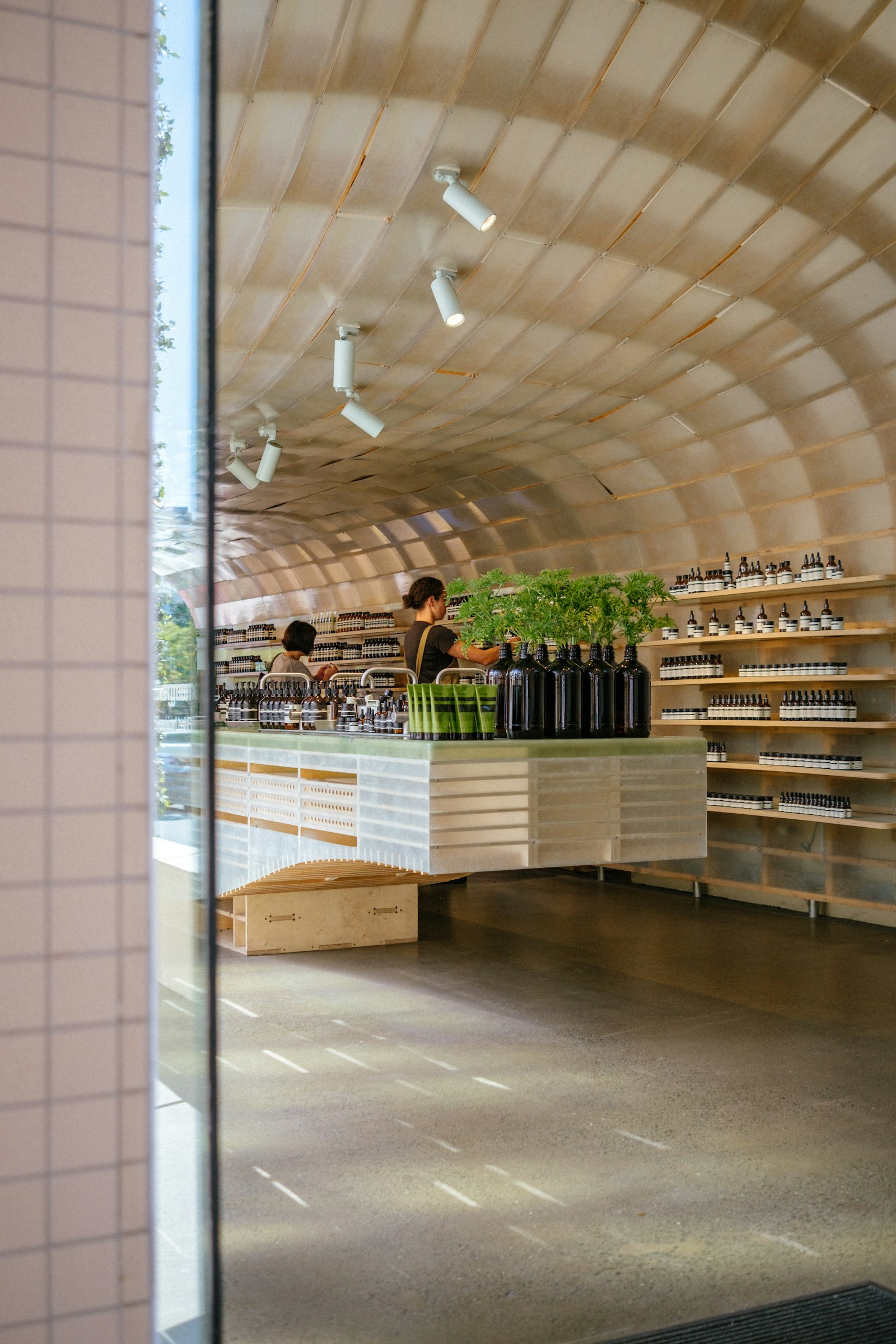
Why Capsule Stores Are Growing
- They are low risk. A short lease or a modular unit lets a brand test a location before committing.
- Shoppers want experiences. Retail trend reports for 2026 describe experience first retail and short term formats as a growing standard.
- They are flexible. One industry guide calls the modular pop up the workhorse of 2026 experiential retail.
- They are shareable. A striking small space gives people a reason to take photos and tell friends.
How a Capsule Store Is Built, Step by Step
1. Define the concept and the time frame
Decide what the store is for: selling, testing a product, launching a collection or building a brand. Set a clear opening and closing date. A deadline creates urgency and keeps the design focused.
2. Choose the format
Common formats include a standalone pop up, a shop in shop inside another retailer, a cooperative pop up shared by several brands and a small kiosk. The format affects cost, footfall and how much you can customise the interior.
3. Plan the layout
Think in zones: an eye catching entrance, a hero display, a product wall or rail and a simple checkout. Keep the range small so every item has room to be seen.
Leave clear walking space. In the United States the minimum clear accessible route is generally 36 inches (about 91 cm), but rules differ by place, so check your local requirements.
4. Pick modular, reusable materials
Capsule stores are built to be assembled and taken apart quickly. Typical choices are plywood panels, steel or aluminium frames, fabric screens, freestanding shelving and fixtures on castors. Retail trend coverage for 2026 highlights modular design with reusable materials and low waste build outs.
5. Light it well
Use three layers: soft general lighting, brighter spotlights on key products and one feature light that makes the space feel special. Warm light usually flatters products and people.
6. Add the brand and one memorable moment
Choose a limited palette and repeat it in signage, packaging and displays. Then add one “post worthy” feature, such as an arched doorway, a colour drenched wall or a striking display. If you want ideas for colour, see our guide to colour drenching paint trends and ceiling makeover ideas.
7. Sort floors, safety and permits
Choose a hard wearing floor such as luxury vinyl plank. Check local rules on temporary structures, electrics, fire safety and signage, and use a licensed electrician for any wiring.
8. Open, observe and adjust
Watch how people move, what they touch and what they buy. Pop ups are a fast way to learn, so adjust the layout during the run.
9. Take down and reuse
Plan how the fixtures will be stored or reused. A good capsule store design can travel to the next location.

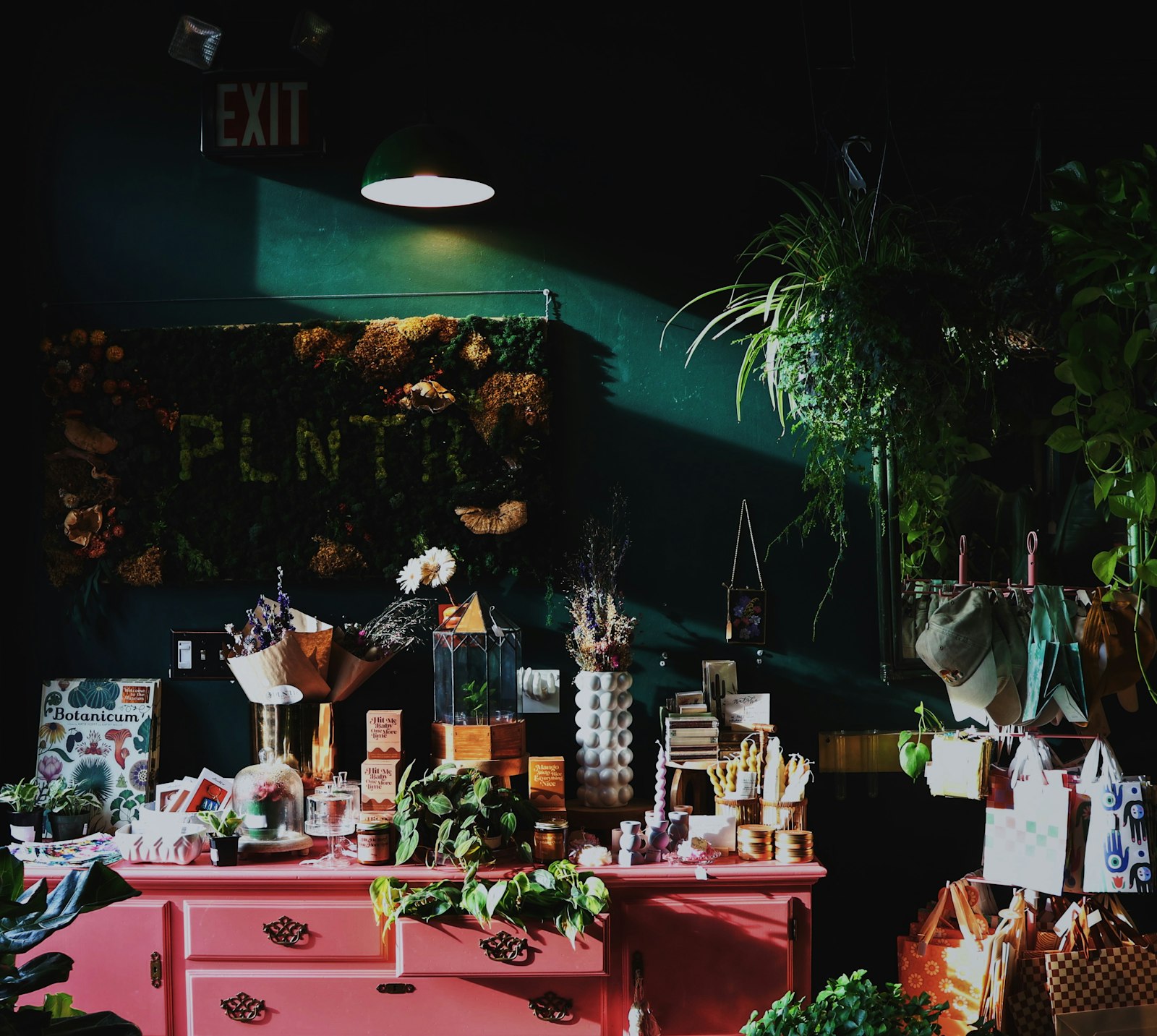
Capsule Store Interior Ideas
- Use one hero display near the entrance
- Mix open shelving with a few closed storage units to hide stock
- Add mirrors to make a small space feel larger
- Use plants or textured materials to soften a minimal interior
- Choose movable furniture so the layout can change daily
- Keep the till small and well lit
What Does a Capsule Store Cost?
Costs vary enormously by size, location and finish. There is no single price. A simple modular build costs far less than a custom designed flagship pop up. Get quotes for the structure, fixtures, lighting, signage, staffing and insurance before you commit.
If you want to build on the roadside, read our guide to roadside capsule shop ideas.
Further reading: Storefront: top retail trends for 2026 | Shopappy: 2026 experiential retail trends
Frequently Asked Questions
What is a capsule store?
A small, curated shop, usually temporary, with a tight range of products and a strong design.
How are pop up stores built?
They are built from modular, reusable materials such as panels, frames, fabric and movable fixtures so they can be installed and removed quickly.
How do you design a small shop layout?
Plan zones for entrance, hero display, products and checkout, keep the range small and leave clear walking space.
How long do pop up shops stay open?
It varies from a weekend to several months. A clear end date helps create urgency.
Do I need a permit for a pop up shop?
Usually yes. Rules on temporary structures, trading and safety differ by location, so check with your local authority.